Ohio House Passes Bill to Restrict Drag Performances
- Bill prohibits 'adult cabaret' performances in public spaces with minors, allowing them only in adult venues
- Supporters say it protects children, but critics argue it infringes on free speech and targets transgender individuals
- Bill awaits Senate vote, with legal challenges likely if passed due to potential vagueness and free speech issues
Lawmakers in Ohio have sparked fresh debate over public entertainment. On March 25, 2026, the Ohio House of Representatives approved House Bill 249. This measure is known as the Indecent Exposure Modernization Act. The vote passed 63-32. As a result, the bill now moves to the Ohio Senate for consideration.
What the Bill Would Do
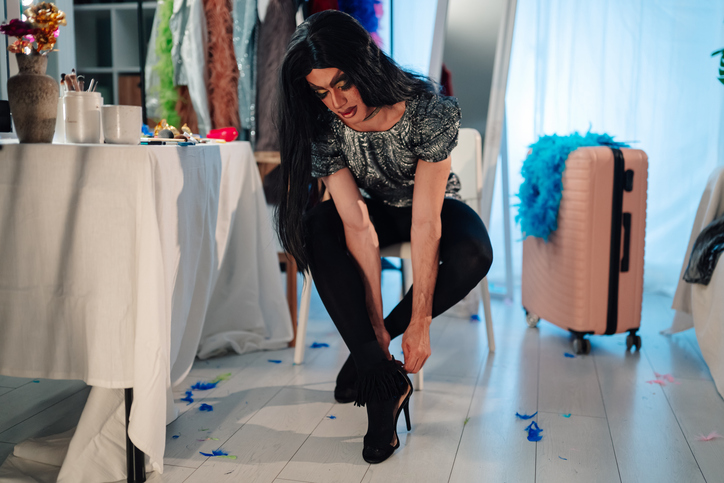
The legislation targets certain live performances. It would prohibit “adult cabaret performances” in any public space where minors might be present. Instead, such shows could only occur inside designated adult venues like bars or nightclubs. For instance, the bill broadens the definition of public indecency. It includes entertainers who use clothing, makeup, or props to present a gender identity different from their biological sex. Therefore, many drag shows would face new limits outside adult-only settings.
However, the bill does not outlaw drag completely. Supporters emphasize that family-friendly events could continue. They simply want to keep explicit content away from children in parks, festivals, or libraries. In addition, the measure updates existing indecent exposure laws with clearer rules and penalties. These range from misdemeanors to felonies depending on the circumstances.
Support from Lawmakers
Republican representatives largely backed the bill. Reps. Angie King and Josh Williams introduced it. They argue the change closes a loophole. As a result, children would gain better protection from sexualized performances in public. One sponsor noted that current laws fall short in some situations. So, this update aims to modernize protections while preserving privacy in certain spaces.
Most Democrats opposed the measure. Rep. Jamie Callender was the only Republican to vote no. Critics within the House called the language too broad. Consequently, they worry it could affect more than just staged shows.
Opposition and Concerns
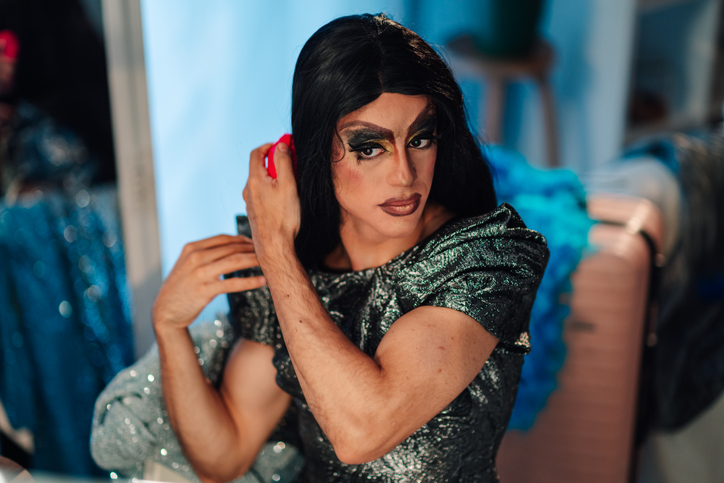
Many groups view the bill as overly restrictive. The ACLU of Ohio condemns it as an attack on free speech. They claim drag performances count as artistic expression protected by the First Amendment. Furthermore, opponents fear the wording might target transgender individuals or everyday gender-nonconforming behavior. Drag artists in cities like Cleveland and Columbus have spoken out. They describe most of their shows as fun and inclusive, not harmful to kids. Therefore, they see the restrictions as unnecessary discrimination.
Meanwhile, supporters from faith-based organizations praise the effort. They believe public spaces should remain safe for families. In their view, adult entertainment belongs in adult spaces only.
Next Steps and Potential Challenges
Right now, the bill awaits action in the Senate. It must pass there before reaching Governor Mike DeWine’s desk. Even if signed, legal challenges appear likely. Similar laws in other states have faced court battles over vagueness and free speech issues. As a result, the final outcome remains uncertain.
This debate touches deeper cultural divides across Ohio. On one side, people prioritize shielding minors from adult themes. On the other, advocates stress inclusion and creative freedom. As senators review the proposal, both sides continue sharing strong opinions. Many residents wonder how the decision will shape community events in coming years.
The conversation around House Bill 249 highlights ongoing tensions in state politics. Ultimately, the Senate holds the next key vote. Until then, performers and families alike watch closely for any developments.


