Ghost Tapping Scam in Ohio: Protect Your Cards

- Scammers exploit contactless payments to initiate unauthorized charges by briefly pressing against victims in crowds.
- RFID-blocking wallets and phone cases effectively shield cards and phones from 'ghost tapping' attacks.
- Monitoring accounts, using front pockets, and staying alert in crowds can further reduce the risk of becoming a victim.
Contactless payments promised speed and convenience. Just tap your card or phone and go. But that same technology is now being weaponized in a scam known as ghost tapping.
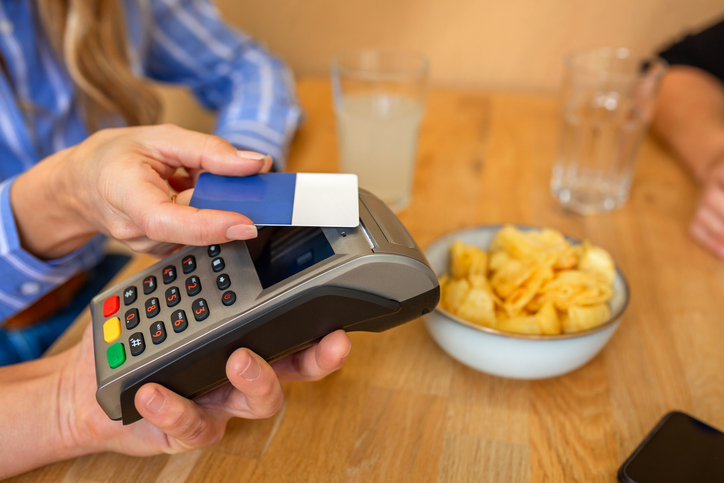
Thieves use portable, inexpensive card readers (or smartphone-based payment apps) to get close enough to your tap-enabled credit or debit card, or your mobile wallet, and trigger unauthorized wireless transactions. No need to steal your physical card or even reach into your pocket. A casual bump in a crowd is often all it takes.
How Ghost Tapping Works
Modern credit cards and digital wallets use Near Field Communication (NFC) or RFID technology, allowing payments within a few centimeters. Scammers exploit this short-range signal with handheld readers.
In crowded environments such as public transportation, concerts, clubs, busy sidewalks, festivals, or markets, a thief “accidentally” presses against you. Their concealed device reads the contactless chip and initiates a charge. Small transactions (like a $1 to $20 test charge) often slip under the radar. Once they succeed, they may add your card details to their own digital wallet for larger purchases later.
The scam feels modern because it doesn’t require traditional skimmers or visible theft. Your card stays safely in your wallet or purse the whole time.
Why It’s Particularly Frustrating
Contactless chips were marketed as more secure than swiping, thanks to encryption and tokenization. They are safer against many remote hacks and physical skimmers at ATMs or gas pumps. However, the proximity-based nature of NFC leaves a narrow window for in-person exploitation when someone gets within inches.
How to Protect Yourself
The good news is that simple, low-cost defenses work well:
- RFID-blocking wallets or phone cases — These are among the most effective solutions. They use special materials to block NFC/RFID signals. Good ones cost around $20 and protect everything inside without much hassle.
- RFID-blocking card sleeves — Very affordable (often just 20 cents each when bought in bulk). Slip your cards inside them. The downside is the inconvenience of removing them for every legitimate tap.
- Faraday pouches or bags — These fully shield cards and phones but also block cell service, so they’re better for storage than daily carry.
- Generic “RFID-blocking cards” inserted into your wallet — Testing has shown these are often unreliable and don’t consistently protect surrounding cards.
Additional habits make a big difference:
- Monitor your accounts regularly for small, unfamiliar charges.
- Set up transaction alerts via your bank’s app.
- In very crowded situations, consider keeping your wallet in a front pocket or using a cross-body bag.
- When making payments yourself, stay aware of people pressing too close.
The Bottom Line
Ghost tapping is a reminder that convenience always comes with trade-offs. While it’s unlikely to empty your accounts in one go (many banks have fraud protections and limits on contactless transactions), even small unnoticed charges add up, and cleaning up fraud takes time and hassle.
By using RFID protection and staying situationally aware in crowds, you can enjoy tap-to-pay benefits while minimizing the risk of becoming a ghost tap victim. Stay vigilant, and keep your digital wallet yours.


