Why dead branches are more than an eyesore
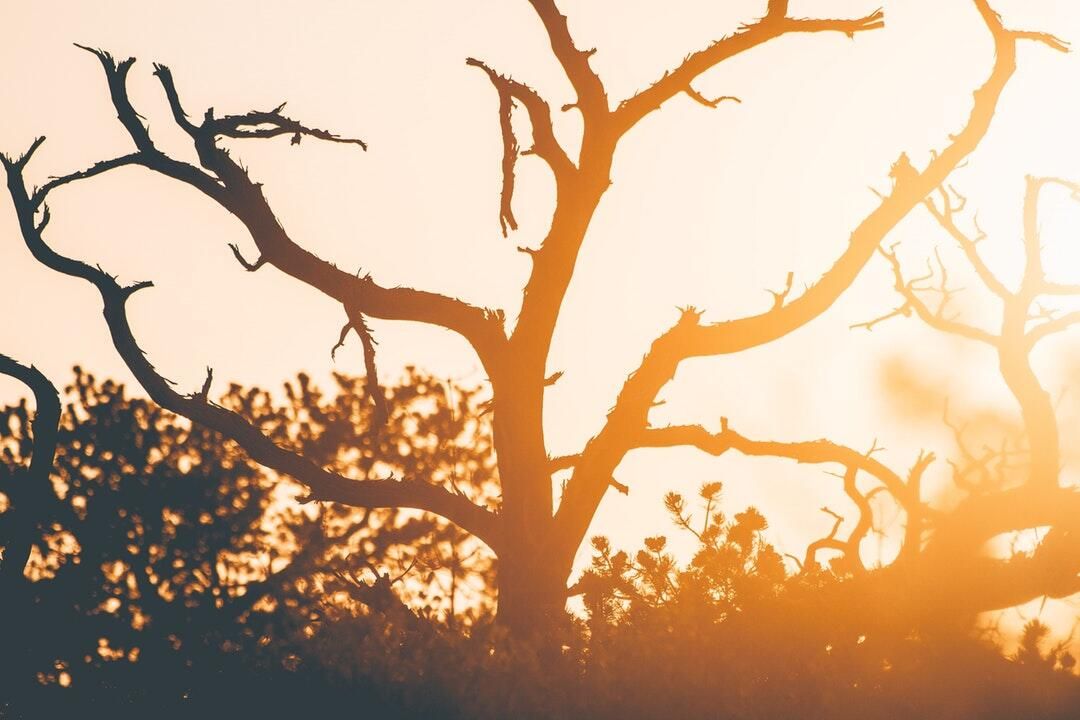
Dead branches aren’t something to ignore, since they’re a safety risk to people and property if they fall. They also pose health hazards to other trees by potentially spreading disease and attracting vermin. Understanding signs like peeling bark and missing leaves can signal it’s time for a tree doctor to check things out.
A study published in Natural Hazards found that 61 of the 65 wind-related deaths during Hurricane Helene were from falling trees. Keep your home safe before and after a storm by ensuring you’re not surrounded by dead wood that can fall on your home or signal complete tree death.
Why Are Dead Branches a Safety Risk?
Dead branches become brittle and dry and can easily snap during a storm. High winds can turn them into projectiles that can break through your windows. That results in extensive property damage, which can intensify if the entire tree is weak enough to fall on a home. Consequently, a dead branch can cause personal injury that may become fatal if it hits someone walking underneath.
If you don’t stop a dying branch from spreading, it can further impact your property safety by attracting dangerous pests.
What Are Health-Related Tree Pruning Benefits?
Those dead branches can signal that your entire tree is dying. However, if you catch the problem early enough and call a tree professional, they can trim those dead zones and save the tree.
Dead wood invites rot and harmful pests that you don’t want invading other trees. In other words, one sick or dead tree can quickly spread illness to others.
Removing those weak parts can send energy to strong branches and help the tree become revitalized.
How Can I Practice Better Garden Safety?
Regular tree inspections should be part of ongoing garden maintenance. After a big storm, look for signs of tree damage, which may be present even if the tree wasn’t knocked down.
Some signs to look for include:
- Missing leaves
- Peeling bark
- Cracks
The right trees can revitalize your garden, but check how large they can grow to avoid crowding structures or utility lines upon maturity.
Tree roots need to breathe. Keep mulch pulled back from the trunk, as it can suffocate it and cause rot. Avoid adding garden beds directly over them as well.
When you need regular tree pruning, removal, and maintenance, let the professionals handle it so you won’t have to get your hands dirty and avoid hurting the tree. An arborist knows exactly what part of the branch to trim to avoid creating a wound that can make it easier for invasive pests to enter.
Prevent Danger from Trees
Trees add life and fresh air to your property, but if you’re not careful, dead branches can pose a safety and health hazard capable of causing bodily and property damage. Look for signs of tree death and have a professional handle it. Prompt care prevents a tree from being knocked down by a storm or spreading disease to other plants.
Check our website for more relevant insights.


