Extreme weather is creating new everyday safety challenges
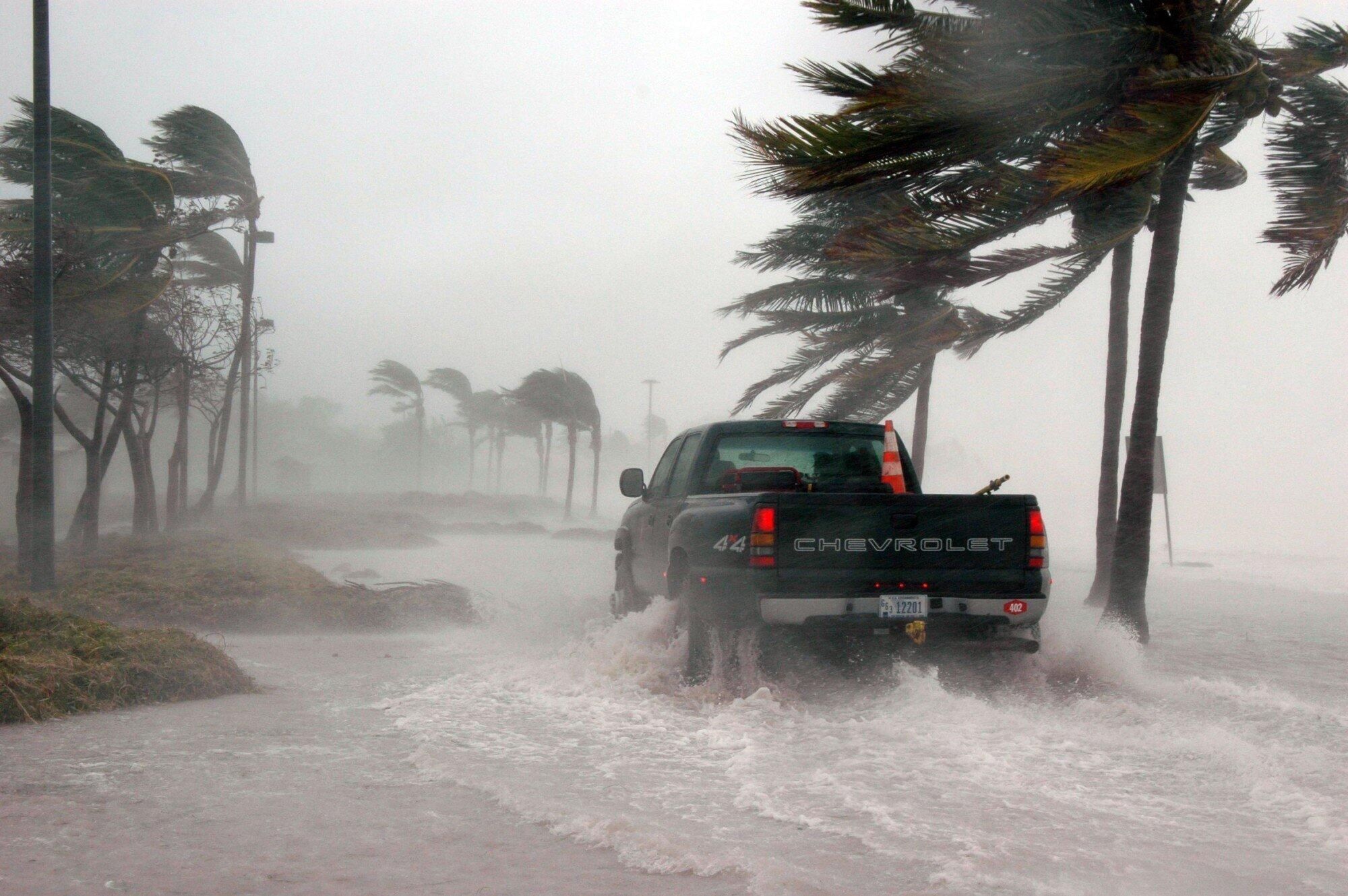
Extreme weather is increasing the risk of flooding, dangerous road conditions, property damage, extreme heat, and other everyday safety challenges.
At what point did checking the weather become part of almost every day’s routine? What was once an occasional precaution is now a daily habit for many people.
A sudden downpour floods roads within minutes, a heat wave can strain power grids, and powerful storms leave behind damaged buildings and fallen trees, creating weather safety risks that extend well beyond major disasters.
How Is Extreme Weather Making Travel Less Predictable?
Driving conditions change in a matter of minutes when heavy rain, strong winds, snow, or extreme heat move into an area. Flooded roads, reduced visibility, and fallen debris leave drivers with little time to react, increasing the likelihood of weather-related accidents.
While weather can’t be controlled, drivers and property owners still have a responsibility to act with reasonable care. When preventable negligence contributes to an injury during severe weather, the firm’s legal team helps injured individuals understand their rights and evaluate their legal options.
Homes Face Greater Year-Round Risks
Homes are increasingly exposed to weather-related hazards that appear with little warning. Strong winds, heavy rainfall, prolonged heat, and severe storms can all cause costly damage, making preparation essential.
Simple steps can reduce the risk of property damage, including:
- Inspecting roofs and gutters regularly
- Trimming trees near the home
- Securing outdoor furniture before storms
- Keeping emergency supplies on hand
- Testing backup power sources when available
Taking preventative measures throughout the year helps homeowners respond more effectively when severe weather strikes.
Outdoor Work and Recreation Carry New Risks
Spending time outdoors now requires greater awareness than it did just a few years ago.
High temperatures, sudden storms, poor air quality, and changing weather conditions quickly turn routine work or recreational activities into safety concerns. Construction workers, landscapers, utility crews, athletes, and families all face increased exposure to these changing conditions.
Checking weather forecasts, staying hydrated, taking breaks in shaded areas, and postponing outdoor activities when severe weather is expected can significantly reduce the risk of illness or injury.
A little planning often goes a long way toward staying safe during unpredictable weather.
Emergency Preparedness Is Becoming an Everyday Responsibility
Preparing for severe weather is no longer something many households do only during hurricane or wildfire season. More families are treating emergency preparedness as part of their everyday routine.
This includes keeping emergency supplies stocked, creating household evacuation plans, and signing up for local weather alerts. Knowing where to find reliable information during an emergency is equally important.
Taking these steps before severe weather arrives will improve safety, reduce confusion, and help households respond more confidently when conditions change unexpectedly.
Staying Ready for Changing Weather Conditions
Extreme weather is becoming a more regular part of daily life, making preparation and awareness crucial. Simple habits like monitoring forecasts, maintaining emergency supplies, and recognizing potential hazards can improve everyday safety. They also help reduce the risk of injury when severe weather strikes.
Discover more stories, timely updates, and useful insights by exploring the latest content on our website.


