A Royal Reckoning: Former Prince Andrew Arrested
- Royal scandal exposes abuse of privilege, sparking public demand for equal treatment before the law.
- Elected leaders must uphold principle of no one being above the law, even for the powerful.
- Persistent public pressure can overcome institutions shielding the elite, leading to long-overdue accountability.
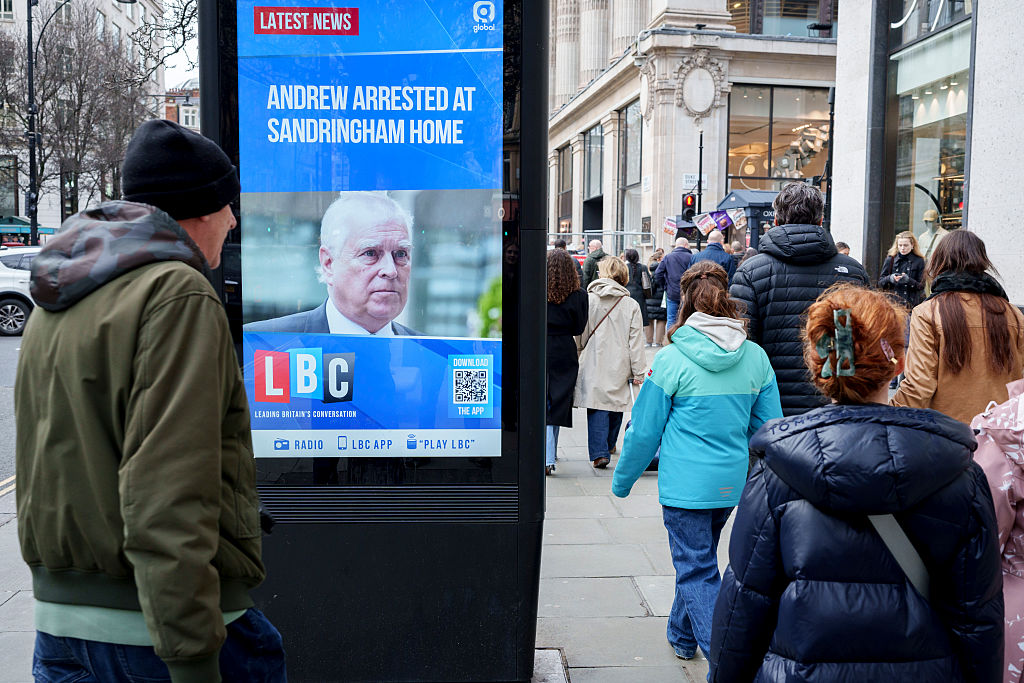
A birthday is typically a time for celebration, but for Andrew Mountbatten Windsor, his 66th turned into a day of reckoning. The arrest of the former Prince Andrew at his brother King Charles’s private estate marks a stunning and necessary turn in a saga that has captivated and disgusted the public for years. This isn’t just about another royal scandal; it’s a powerful statement that accountability, no matter how delayed, can reach even the highest echelons of power.
The arrest follows the deeply unsettling revelations from the Epstein files, bringing long-held suspicions into the stark light of day. For too long, Andrew has dodged direct consequences, even after being stripped of his royal titles last year. The allegations are severe: that he shared confidential information about global investment opportunities with the notorious Jeffrey Epstein. This goes beyond personal misconduct; it points to a potential abuse of his privileged position for nefarious ends.
The response from British leadership adds significant weight to this moment. Prime Minister Keir Starmer’s declaration that “Everybody is equal under the law and nobody is above the law” is not just political posturing. It is a direct message to a system that has often protected its own. It’s a sentiment that resonates deeply within our communities, where the fight for equal justice is a daily reality. When we see a figure once shielded by a crown facing the same legal process as any other citizen, it reinforces a principle we must all demand.
Even the Royal Family, historically masters of the stiff upper lip, seems to understand the gravity of the situation. King Charles and Queen Camilla’s statement of readiness to support the police investigation signals a shift. It’s a quiet acknowledgment that the institution cannot afford to be seen as obstructing justice, especially with pressure mounting from the U.S. Congress for Andrew to testify.
This entire episode is a lesson in the power of public pressure and persistence. For years, the voices demanding accountability for the victims of Jeffrey Epstein have refused to be silenced. This arrest is a direct result of that unwavering demand for truth. It reminds us that our collective voice matters. It’s a testament to the idea that true justice isn’t handed down from on high; it is fought for from the ground up.
What are we to do with this information? It serves as a potent reminder of our own power, particularly at the ballot box. Holding powerful figures accountable starts with electing leaders who believe in and will enforce the principle of equality under the law. As we watch this story unfold, it’s not just about the fall of a prince. It’s about the rise of a more just and equitable standard for all. The wheels of justice may turn slowly, but as we see with Andrew, they do turn.
A Royal Reckoning: Former Prince Andrew Arrested was originally published on majic945.com


